
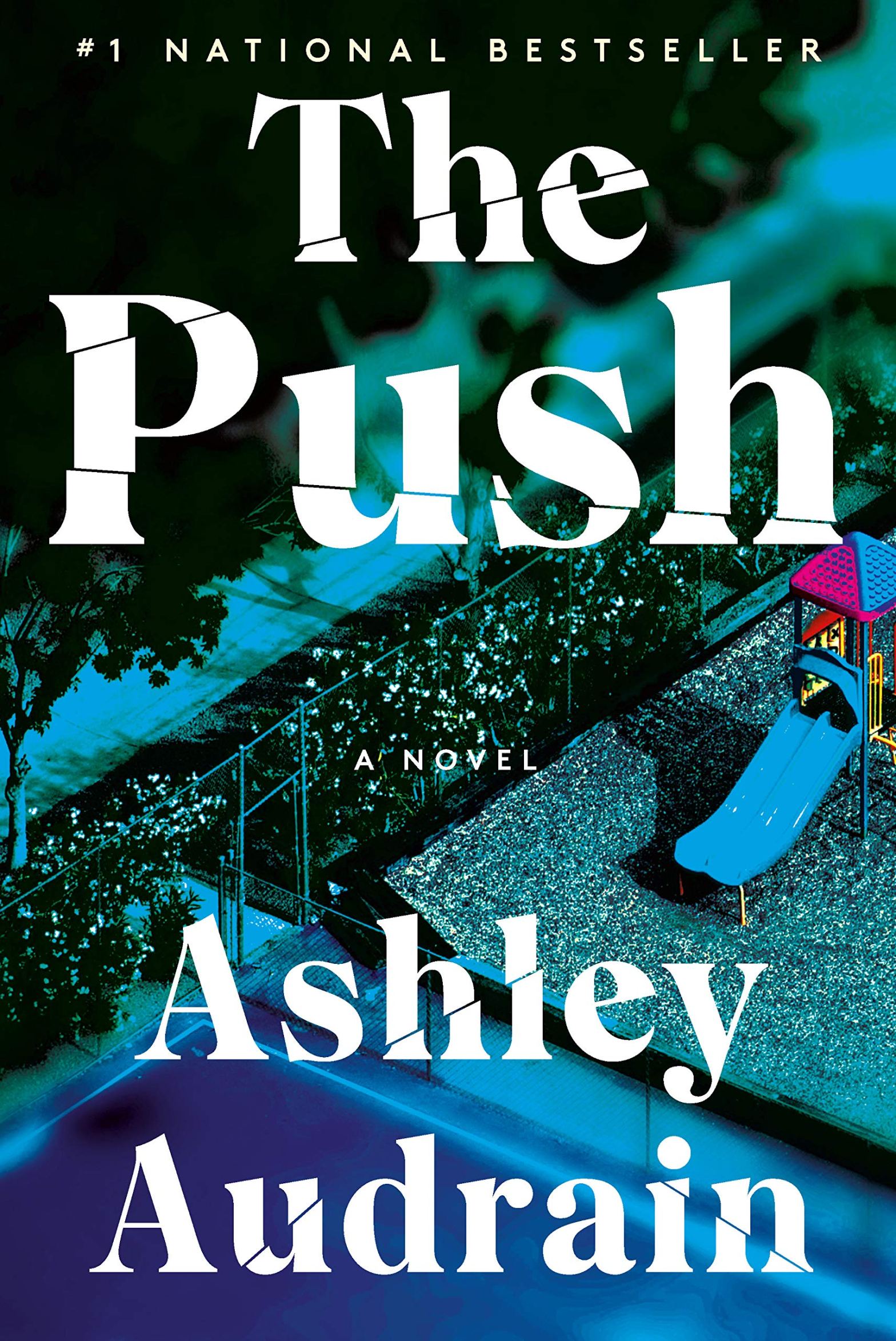
The Push Summary
Blythe Connor is determined that she will be the warm, supportive mother she never had to her new baby Violet.
But in the thick of motherhood”s exhausting early days, Blythe doesn”t find the connection with her daughter she expected. She”s convinced that something is wrong with Violet–the little girl is distant, rejects affection, and becomes increasingly disruptive at preschool.
Or is it all in Blythe”s head? Her husband, Fox, says she is imagining things. Fox doesn”t see what Blythe sees; he sees a wife who is struggling to cope with the day-to-day challenges of being a mother. And the more Fox dismisses her fears, the more Blythe begins to question her own sanity…
Then their son Sam is born–and with him, Blythe has the natural maternal connection she”d always dreamed of. Even Violet seems to love her little brother. But when life as they know it is changed in an instant, the devastating fall-out forces Blythe to face the truth about herself, her past, and her daughter.
General Thoughts
Uhhhh maybe don’t read this book if you’re currently pregnant – this book definitely gave me a bit of the fear for having children.
That being said, I didn’t want to put this book down from the moment I picked it up. If I could, I would have read it in a single day. However, I ended up reading it in two days just because I started it one evening after work, and I couldn’t stay up until the early hours of the morning reading when I knew I had work the next day. But I did manage to finish it the next evening after work.
Review (Spoilers ahead!)
I found this story to be incredibly heartbreaking the whole way through, and I was also filled with rage on behalf of the main character, Blythe. I can’t imagine how she must have felt to give birth to her first child, and then have these feelings of not only disconnection, but a genuine strong feeling that her child resented her from the day she was born. And then to consistently have these suspicions reaffirmed by her child’s behaviours – how she was so awful towards her mom, and made nasty comments about hating her mother or wanting her mother to die or to go away from her, yet she was so loving towards her father and was an angel the moment he was around. And so Blythe notices these things, and she has these feelings of detachment with her child, and when she voices her concerns to her husband, she gets shut down by him. He just keeps acting like Blythe is the problem, that she just needs to be a better, nicer mom and everything will be fixed. I still can’t decide if he didn’t believe Violet was at fault as a result of Violet manipulating him, or if he just refused to accept that his daughter could be to blame, and he couldn’t accept the fact that this wasn’t going to be the picture-perfect family he wanted.
Either way, he’s trash and I loathe him.
Throughout the whole novel, I just wanted justice for Blythe, and I wanted to scream when Violet mouthed through the window to Blythe “I pushed him”. It felt like a relief, to finally have this closure for Blythe, to know she wasn’t just imagining things. She knew exactly what she saw, and she was right to be suspicious and fearful of her daughter.
I found it interesting that the author told the stories of Blythe’s mother and grandmother as well, and that we got to see a glimpse into their lives and struggles with motherhood. It was very clear that there was definitely some kind of undiagnosed mental illness that was going on with the women. I remember with Blythe’s grandmother, a boy she was in a relationship with was run over by a piece of farming equipment while helping on her family’s farm, and she had to go deal with the body. I had wondered if that trauma maybe kick-started the mental health struggles for her, but I’m not sure. It did feel like that scene had some significance to it, though.
One part of the novel I wasn’t a fan of was when Blythe started wearing a wig and took on a new identity to get closer to Fox’s new wife – it felt a bit like it was teetering on the edge of the “this woman is a crazy ex” narrative. But maybe that was the authors way of giving the reader an opportunity to wonder if Blythe was stable or not – or maybe it wasn’t meant that way at all. Maybe I just overthought that part.
Overall, I liked that this gave a different take on motherhood. It provided a glimpse into the struggles that mothers face, some struggles that are considered taboo to discuss openly. The story even mentions how when mothers would complain, they didn’t really complain or express their unhappiness, because it was always followed up with “but it’s so worth it because…” as if they were worried if they were just honest with their feelings, they’d be deemed a “bad” or “unfit” mother. But just because you don’t like certain aspects of parenting, doesn’t mean you’re a bad parent. I’ve never had kids, so I can’t speak from experience, but I assume it’s just like anything in life – there’s parts you love and parts you dislike. You shouldn’t have to sugarcoat or justify your feelings.
Anyways, I really enjoyed this book and I’d definitely recommend it to anyone who is looking for their next contemporary fiction novel!
Until next time,
Nadine
 nadinesnarratives.art.blog